
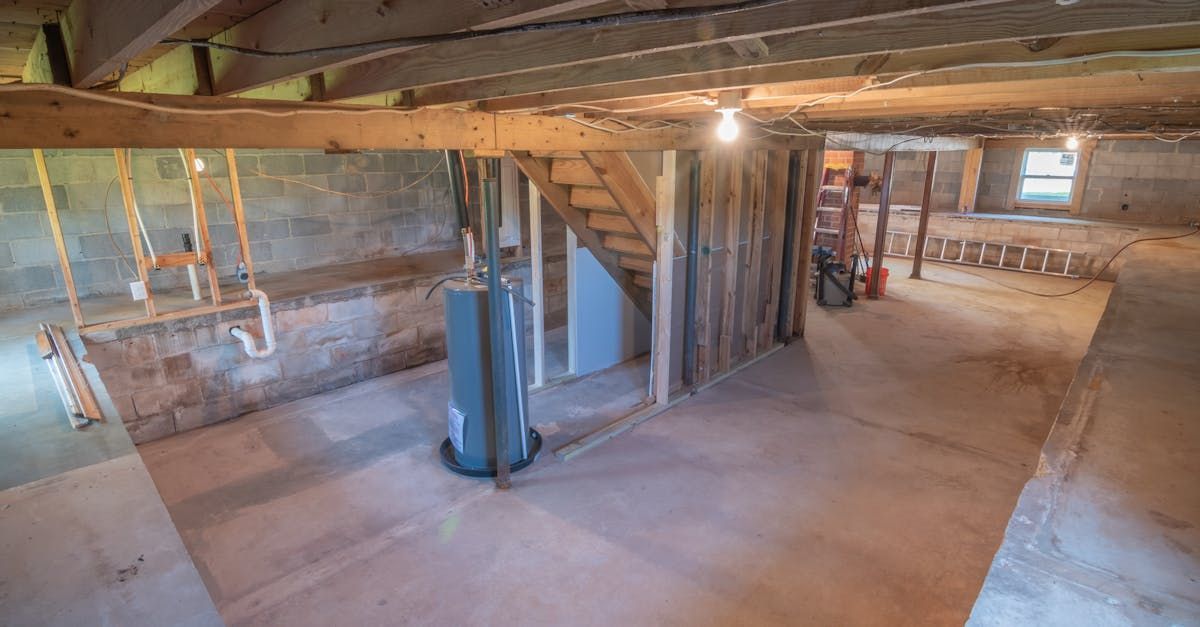
French Drain Installation in Bessemer, AL: Hiring Guide

French Drain Installation in Bessemer, AL: What Homeowners Need to Know Before They Hire

If you live in Bessemer, your yard is fighting two things at once: Jefferson County's dense red clay soil that sheds water instead of absorbing it, and the real elevation changes that funnel that runoff straight toward your foundation or crawlspace. By the time October rain arrives, a yard that was already struggling all summer can become fully saturated within hours. This post assumes you already know you have a drainage problem — it is a straight hiring guide to help you choose the right installer and understand exactly what the job involves.

Why Bessemer Yards Struggle With Drainage

Bessemer's heavy clay soil has very low permeability, meaning water moves through it slowly and puddles near the surface rather than filtering down. Over time, that clay compacts further, making the problem measurably worse each year without any intervention.

Add the natural grade shifts found throughout Jefferson County neighborhoods and you get a reliable pattern: rain falls, clay blocks it, and slope carries it to the lowest point — which is often a fence line, a crawlspace vent, or a foundation wall. That combination turns a single rain event into a lingering saturation problem that does not dry out quickly.

A properly installed French drain intercepts that moving water underground and routes it away before it reaches vulnerable areas. It does not eliminate rain, but it gives water a faster, controlled path out.

Will a French Drain Actually Work in Alabama Clay Soil?

Yes — but installation details matter more in clay than in sandy or loamy soil. Cutting corners on materials in a clay environment leads to drain failure within a few years.

The main risk in clay soil is migration: fine clay particles can work their way into the gravel bed and eventually clog the perforated pipe. A correctly installed system addresses this with proper landscape fabric wrapping around the gravel, the right gravel size to resist compaction, and adequate pipe diameter to handle flow during heavy Alabama rain events. Ask any installer specifically what fabric spec and gravel gradation they use — a contractor familiar with local conditions will have a direct answer.

Trench depth also matters more in clay. Shallow trenches in low-permeability soil often cannot intercept subsurface flow before it reaches a foundation. A site assessment that reads the actual grade and soil profile will determine the right depth for your specific yard.

What French Drain Installation Actually Involves

A professional residential install follows a clear sequence, and understanding it helps you evaluate quotes and spot vague proposals. Learn more about the full scope on our French drain installation services page.

  • Site walk and water flow mapping: A contractor marks where water enters, where it pools, and where it needs to exit. No quote should come before this step.
  • Trench excavation: Width and depth are set by soil type, grade, and the volume of water the system needs to handle.
  • Landscape fabric lining: Fabric lines the trench walls and bottom before gravel goes in, blocking clay from migrating into the drainage bed.
  • Gravel bed: Clean, washed stone fills the lower portion of the trench to create a permeable channel around the pipe.
  • Perforated pipe placement: Pipe is laid with perforations facing down so water enters from below and flows toward the outlet.
  • Gravel backfill and fabric wrap: More gravel covers the pipe, and the fabric folds over the top before topsoil goes back.
  • Surface restoration: Topsoil and sod or seed are replaced to restore the lawn appearance.

Most residential installs in a single yard zone finish in one to two days. Larger systems that cross multiple drainage paths or tie into a street outlet can run longer. Your installer should give you a realistic timeline during the site assessment, not after the crew arrives.

How French Drains Fit Into a Broader Drainage Plan

A French drain handles subsurface water movement, but some yards need surface drainage work alongside it. If your problem includes water sitting on top of hardscape, driveway runoff, or water flowing in from a neighbor's higher yard, a single French drain may not solve everything alone.

Channel drains and grading corrections address surface flow that a perforated pipe system is not designed to intercept. Downspout extensions can redirect roof water away from the zone your French drain protects. Explore your full drainage system options to see how these components work together.

If your yard already has a drain that is no longer performing, the first step is an inspection to determine whether it needs cleaning, partial repair, or full replacement. Silt and clay accumulation in older systems is a common cause of failure and does not always require a complete reinstall.

Permit Requirements in Bessemer: What You Should Know

Permit requirements for drainage work in Bessemer fall under Jefferson County's building department for most addresses, though some work may involve city jurisdiction depending on scope and proximity to municipal drainage infrastructure.

As a rule, any project involving significant excavation or a connection to a storm drain system is likely to require a permit. The practical advice is simple: ask your contractor upfront whether a permit is needed and confirm they will pull it. A contractor who says permits are not required without actually checking the scope and local requirements is a red flag — not a convenience.

How to Choose a French Drain Installer in Bessemer

Choosing the right contractor matters more than finding the lowest bid. These are the questions worth asking before you sign anything.

  • Do you walk the site before quoting, or quote by the foot over the phone?
  • Will you handle any required permits for this job?
  • What gravel type and pipe spec do you use in clay soil?
  • How do you restore the surface after installation?
  • Do you warranty the work, and what does that cover?
  • Are you licensed and insured in Alabama?
  • Can you share references from recent Bessemer-area projects?

Watch for these red flags: a quote given without a site visit, pressure to commit the same day, vague answers about materials, or an unusually low bid with no explanation of what is different. In clay soil especially, skimping on gravel quality or fabric spec creates a drain that fails within a few years and costs more to fix than the original install.

Fall Is the Right Window to Act in Bessemer

Installing a French drain before winter is the right move for Bessemer homeowners for a concrete reason: ground that enters January already saturated puts continuous pressure on foundations and allows moisture to work into crawlspaces all season long. Fall installation lets the system settle and begin redirecting flow before the heaviest ground saturation period arrives.

October and November bring meaningful precipitation across Jefferson and Shelby counties. Scheduling now means crews are available, the ground is still workable, and you are not competing with the spring rush when drainage contractors in the Birmingham metro area book out weeks ahead. If crawlspace moisture is part of your concern, pairing a French drain with interior waterproofing or crawlspace encapsulation addresses both the exterior source and any moisture that has already worked its way inside.

Catching the problem in fall means your foundation and crawlspace go into winter protected rather than absorbing months of hydrostatic pressure that compounds each season.

Bessemer homeowners dealing with clay soil and fall rainfall have real, solvable drainage problems — and the right installer will assess your specific yard before quoting, use materials suited for Alabama conditions, and leave the surface looking like the work was done properly.

Schedule a site assessment with Alabama Drainage Professionals before winter sets in and let a professional map exactly where your water is going and how to stop it.

By Alabama Drainage Professionals • August 15, 2026
Learn how interior waterproofing in Pelham, AL, protects your home, why local demand is rising, and how it works alongside exterior drainage for complete moisture control.
By Alabama Drainage Professionals • July 15, 2026
Find out if you need a permit for channel drain installation in Homewood, AL, plus what these drains fix and how local permit rules near streets affect your project.

By Alabama Drainage Professionals • June 15, 2026
Learn when to schedule crawlspace encapsulation in Hoover, AL, including key warning signs, how spring humidity affects crawlspace moisture, and how drainage works with it.
By Alabama Drainage Professionals • May 18, 2026
Learn if French drain installation is right for your Vestavia Hills, AL, property, including how hilly terrain affects drainage design and when to call a professional.
By Alabama Drainage Professionals • May 18, 2026
Find out what to do during an emergency yard flood in Birmingham, AL, including immediate steps and long-term drainage repair solutions to protect your property.
By Alabama Drainage Professionals • May 18, 2026
Discover the 5 most common drainage issues in Mountain Brook, AL, and learn practical fixes to protect your home from water damage and yard flooding.