
Basement Water That Keeps Coming Back
Basement waterproofing in Greater Birmingham for water stains, damp walls, and recurring leaks following groundwater pressure and drainage failure
When a basement stays dry after waterproofing is correctly installed, the results are observable: water stains stop progressing, standing water after rainfall does not return, and persistent musty odors fade as the moisture source is controlled. Alabama Drainage Professionals addresses basement water intrusion in Greater Birmingham through interior and exterior waterproofing systems, sump pump installation, foundation wall repair, and drainage installation. Properties with block or poured concrete basements built before the 1980s were typically constructed without integrated interior drainage, leaving them susceptible to intrusion as exterior conditions change over time.
Basement water typically enters through foundation cracks, wall-floor joints, porous masonry under groundwater pressure, or exterior drainage that directs water toward your foundation. Alabama Drainage Professionals identifies the entry point before recommending a correction, because interior drainage and exterior waterproofing address different conditions—and that distinction determines which solution is appropriate for your situation.
Schedule a basement inspection to identify where water is entering and what has allowed it to continue.
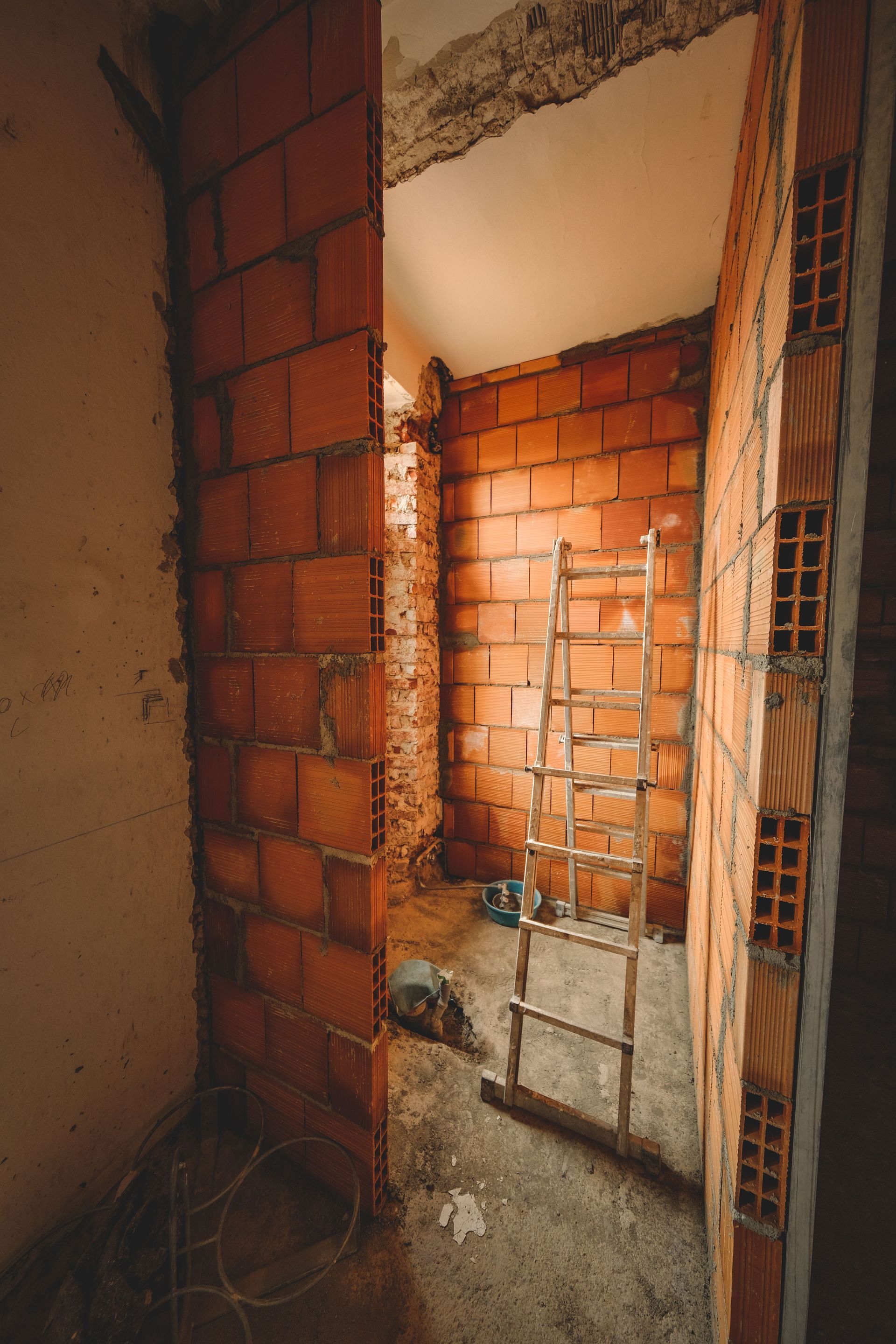
How Basement Waterproofing Addresses Water Intrusion
Interior drainage channels installed at the foundation wall base intercept water that has moved through or around the wall and direct it toward a sump basin for removal. Exterior waterproofing applies a membrane to the outer wall surface alongside perimeter drainage to manage water before it reaches your foundation. Sump pump installation provides the mechanical removal that interior systems depend on to function.
After the system is installed, water stains on walls stop advancing, the floor near the wall base dries, and musty odors diminish as active moisture is removed. The sump pump handles ongoing water removal automatically, eliminating the need to manage standing water in your basement manually after rainfall.
Foundation wall cracks that served as water entry points are sealed as part of the repair process. If a crack reflects structural movement rather than settling shrinkage alone, Alabama Drainage Professionals evaluates whether wall reinforcement is needed alongside waterproofing—sealing a crack in a moving wall does not address the force causing the movement.
Answers About How Basement Waterproofing Works
Basement water intrusion questions from Greater Birmingham homeowners often focus on why water returns despite prior repair attempts and what distinguishes surface patches from durable corrections.
What causes water to enter through the wall-floor joint in a basement?
The joint between the foundation wall and floor slab is not a monolithic seal—water under pressure in surrounding soil finds that joint because it represents a path of lower resistance than solid concrete.
How does interior drainage differ from exterior waterproofing?
Interior drainage intercepts water that has already moved into or through the wall and removes it mechanically. Exterior waterproofing prevents water from reaching the wall surface, addressing the source rather than managing the entry.
Why do basement cracks continue to let water in even after surface patching?
Surface patches do not reduce groundwater pressure acting on the wall. When that pressure exceeds the patch bond strength, water finds the repaired location again or shifts to an adjacent point.
When is exterior waterproofing more appropriate than interior drainage alone?
When the wall surface needs direct protection and the primary source is exterior moisture pressure, exterior waterproofing prevents water from reaching your foundation rather than collecting it after entry. In Greater Birmingham homes with older block or stone foundations, exterior membrane application is often part of a comprehensive repair.
What visible changes indicate that a sump pump is functioning correctly?
The sump basin remains free of standing water between pump cycles, the discharge line removes water consistently, and low-lying areas of your basement stay dry rather than developing puddles after rainfall.
To schedule a basement inspection, call Alabama Drainage Professionals and describe the specific symptoms you have noticed.