
Crawl Spaces That Stop Supporting Fungal Growth
Mold Treatment in Bessemer for crawl spaces showing visible colonies, musty odors, or structural moisture damage
Alabama Drainage Professionals provides mold treatment for crawl spaces in Bessemer where moisture accumulation has allowed fungal colonies to establish on floor joists, insulation, and subfloor materials. Crawl space mold develops when humidity levels consistently exceed sixty percent and organic materials remain damp long enough for spores to germinate and spread. You'll recognize the problem through a persistent musty smell that rises through floor registers, visible black or green patches on wooden beams when you look beneath the house with a flashlight, or allergy symptoms that worsen when you're indoors but improve when you leave the property.
This treatment addresses the active mold colonies already growing in your crawl space while identifying the moisture sources that allowed fungal growth to begin. The work involves applying EPA-registered antimicrobial solutions to affected surfaces, removing contaminated insulation that cannot be salvaged, and treating structural wood that shows surface colonization but remains sound. Every treatment plan accounts for whether the moisture entered through groundwater seepage, condensation on cool surfaces during humid Alabama summers, or plumbing leaks that went undetected until mold made the problem obvious.
Schedule a crawl space inspection to determine the extent of mold colonization and the moisture conditions sustaining it..
Why Crawl Space Mold Persists Without Intervention
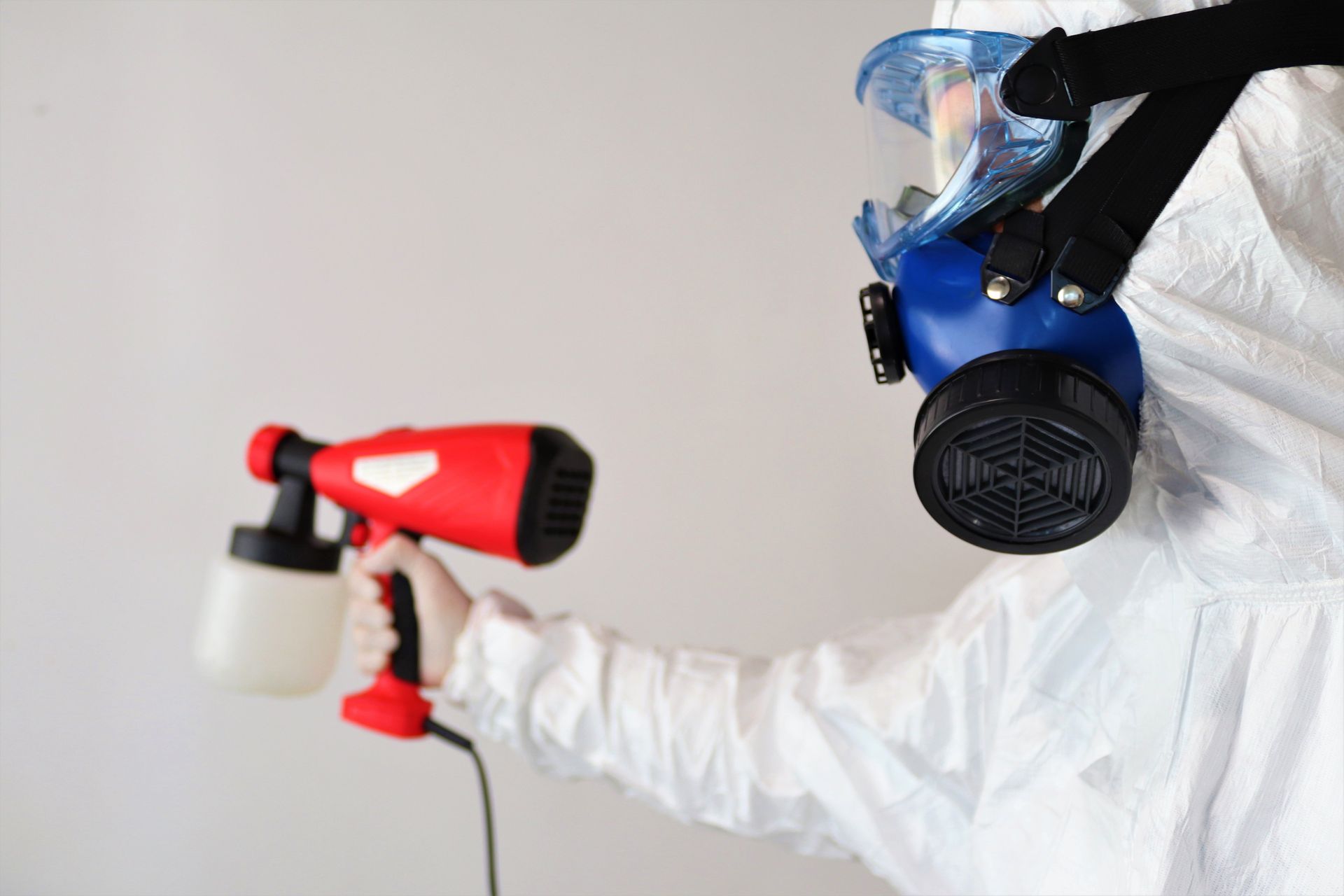
Mold treatment in crawl spaces requires more than surface cleaning because fungal colonies send root structures called hyphae deep into porous materials like wood and paper-backed insulation. Surface wiping removes visible growth but leaves the root network intact, allowing regrowth within weeks. Professional treatment uses penetrating antimicrobial agents formulated to reach into the wood grain and kill hyphae below the surface, then applies encapsulants that seal treated wood and prevent new spore attachment.
After treatment, you'll notice the musty odor diminishes within three to five days as airborne spore counts drop and treated surfaces dry completely. Wooden floor joists that appeared darkened and fuzzy with mold growth will look clean and dry, with a sealed finish that resists future moisture absorption. Floors above the crawl space that felt slightly soft or springy may firm up once the wood dries and regains structural rigidity, though severely rotted members require replacement rather than treatment alone.
The treatment scope depends on how long moisture remained uncontrolled and whether the crawl space has a vapor barrier installed. Dirt-floor crawl spaces without plastic sheeting create constant evaporation that feeds humidity levels high enough to sustain mold even without active leaks. Properties with partial vapor barriers often show mold concentrated in untreated sections where ground moisture still escapes into the air.
What Property Owners Ask Before Treatment
Crawl space conditions vary significantly across Bessemer depending on soil drainage patterns and how the home was originally constructed, so most property owners have specific questions about how treatment works for their situation.
What causes mold to grow in crawl spaces specifically?
Mold requires three conditions simultaneously: organic food sources like wood and paper, moisture levels above sixty percent relative humidity, and temperatures between sixty and eighty degrees. Crawl spaces in Bessemer provide all three conditions for much of the year unless moisture is actively controlled through vapor barriers, ventilation management, or dehumidification systems.
How do you treat mold without damaging the wood structure?
Treatment involves HEPA vacuuming to remove surface spores, applying antimicrobial solutions that penetrate wood grain to kill subsurface hyphae, allowing treated surfaces to dry completely, then applying encapsulating sealers that lock remaining dead spores in place and create a moisture-resistant barrier on the wood surface.
When should I treat mold versus replace the affected materials?
Wood showing surface mold but still firm and structurally sound can be treated effectively, while wood that crumbles when probed with a screwdriver or shows extensive rot damage requires replacement before treatment of surrounding areas. The inspection determines which approach each section needs based on structural integrity testing.
What happens if moisture problems continue after mold treatment?
Treatment eliminates existing mold colonies but does not prevent regrowth if humidity remains elevated or new water intrusion occurs. Successful long-term results require addressing the moisture source through drainage corrections, vapor barrier installation, or humidity control systems alongside the antimicrobial treatment itself.
How long does treated mold stay gone in Bessemer's humid climate?
Properly treated surfaces remain mold-free indefinitely as long as crawl space humidity stays below sixty percent and no new water intrusion occurs. Alabama's summer humidity makes crawl space moisture control particularly important, which is why treatment often includes recommendations for dehumidifiers or improved ground vapor barriers to maintain dry conditions year-round.
Alabama Drainage Professionals can evaluate your crawl space to identify both the mold extent and the moisture conditions allowing it to grow, then provide treatment options that address the biological growth and the environmental factors sustaining it. Contact our team to arrange an inspection and receive specific recommendations based on what we find beneath your Bessemer property.