
Basements That Stay Dry Year-Round
Sump Pumps in Bessemer for basements with recurring water intrusion after heavy rainfall
Standing water in a basement signals a groundwater problem that will not resolve on its own. Alabama Drainage Professionals installs sump pump systems in Bessemer and throughout the Birmingham areas to collect and remove excess groundwater before it accumulates. When installed at the lowest point of a basement or crawl space, a sump pump automatically activates as water levels rise, pumping water away from the foundation through a discharge line that directs flow to an appropriate drainage area.
The pump works alongside interior drainage systems that channel groundwater to a collection basin, where the pump then removes it from the property. This prevents water from pooling against foundation walls, where it can seep through cracks, saturate porous concrete, or create hydrostatic pressure that worsens structural issues over time.
Schedule a property evaluation to determine the best pump placement and discharge routing for your basement layout.
What Changes After Sump Pump Installation
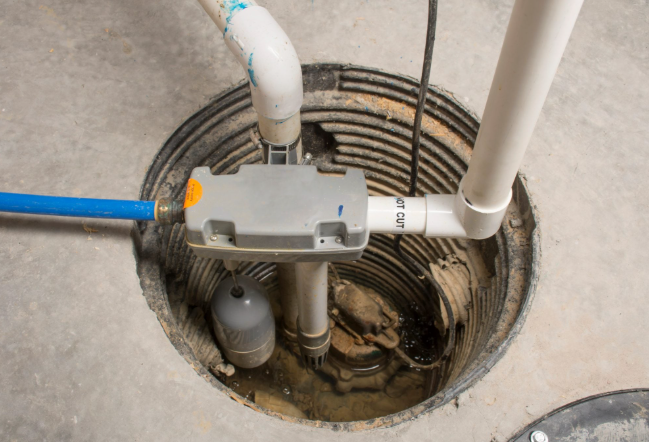
A sump pump system includes the pump unit itself, a basin installed below floor level to collect water, a float switch that triggers activation when water reaches a set depth, and a discharge pipe that carries water away from the home. The float switch ensures the pump only runs when needed, cycling on and off based on water volume rather than operating continuously.
Once operational, you will notice that water no longer pools on basement floors after storms, and the damp smell from prolonged moisture exposure begins to dissipate. Walls that previously showed water stains or efflorescence from mineral deposits remain dry, and stored items or finished basement spaces stay protected from water contact. The system reduces humidity levels that contribute to mold growth and wood rot in floor joists or wall framing.
Proper installation includes testing the float switch operation and verifying that the discharge line routes water far enough from the foundation to prevent it from re-entering the drainage system. Battery backup options are available for homes where power outages coincide with severe weather, ensuring the pump continues operating when it is needed most.
Faq
Frequently Asked Questions
How does a sump pump know when to turn on?
The float switch rises with water levels in the basin and triggers the pump motor once the water reaches a preset depth, then shuts off automatically as the basin empties.
What happens if the pump fails during a heavy storm?
Battery backup systems provide temporary power during outages, while alarm systems can alert you to pump malfunctions before water accumulates to damaging levels.
How often does the pump need maintenance?
The basin should be inspected and cleaned of debris at least twice a year, and the float switch tested to confirm it moves freely and activates the motor without sticking.
Where does the discharge water go?
The discharge line must route water at least ten feet from the foundation, directing it toward a drainage swale, dry well, or municipal storm drain rather than allowing it to flow back toward the house.
Does a sump pump work in crawl spaces?
Yes, the same basin and pump system can be installed in crawl spaces where groundwater collects, particularly in homes with clay soils common to the Bessemer and Birmingham areas that retain moisture and create persistent drainage issues.
Alabama Drainage Professionals provides sump pump installation designed to integrate with your home's existing drainage infrastructure and prevent recurring water intrusion.
Contact us to arrange an on-site consultation and review your basement waterproofing needs.