
Water Stopped Before It Enters
Exterior Waterproofing in Greater Birmingham for foundation walls that allow moisture to pass through or around the structure
Alabama Drainage Professionals provides exterior waterproofing for homes in Greater Birmingham where basement moisture originates outside the structure—at the soil line, along the foundation wall, or through gaps where water accumulates against the building's perimeter. The service is designed for situations where water is entering through the wall itself rather than appearing after it has already crossed that threshold. Homeowners who notice water stains at the base of basement walls, recurring dampness after significant rainfall, or persistent discoloration near the footing are often dealing with a problem that starts several feet from the house.
Exterior waterproofing works by addressing the foundation wall from the outside, before water has a chance to migrate inward. This differs fundamentally from interior waterproofing, which collects and redirects moisture that has already entered the basement. Because the source of the problem is external, the most durable resolution involves excavating around the affected wall section, treating the exterior surface, and installing drainage components that redirect water away from the foundation before it reaches the masonry. The approach taken depends on where water enters, how the site is graded, and what drainage infrastructure already exists.
Arrange a site evaluation to determine where water is entering your foundation and which approach suits your property's specific conditions.
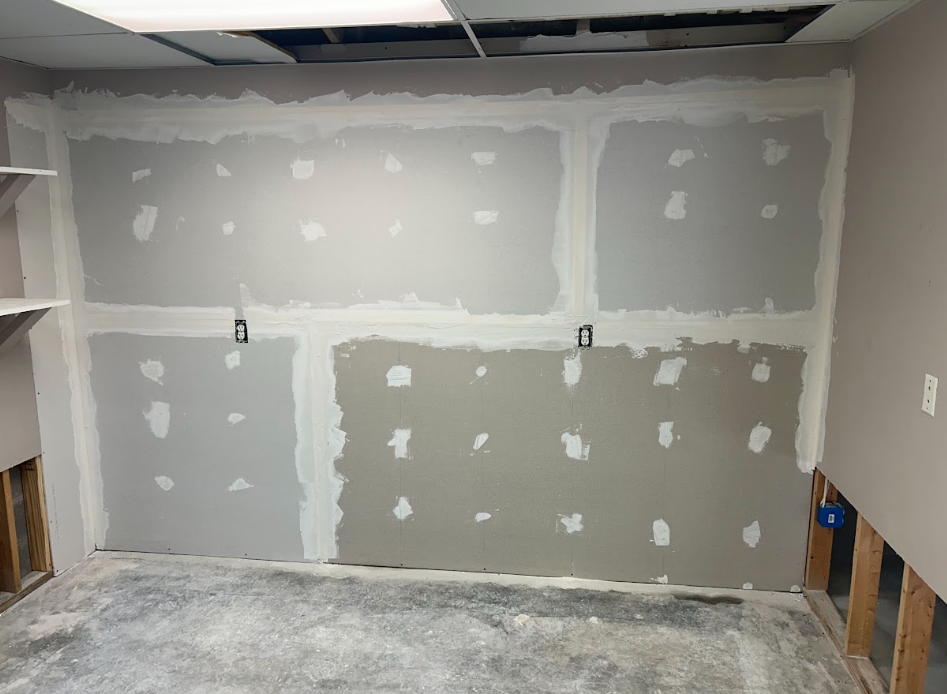
How Exterior Waterproofing Addresses the Source
The process begins with identifying the water-entry point—a step that determines everything downstream. A crack at mid-wall height behaves differently than moisture wicking through the parge coat near the footing, and treating the surface without locating the source produces a temporary fix at best. Once the entry point is confirmed, the foundation wall is exposed through excavation so the exterior face can be inspected, cleaned, and prepared for a waterproofing membrane or coating system that physically blocks water from passing through the masonry.
After treatment, a drainage layer—often a dimple mat or drain board—is installed against the coated wall to direct any residual water downward rather than allowing it to press against the membrane. This is typically connected to a French drain or perimeter drainage component at the footing level. Once backfilled and regraded, the foundation wall no longer provides a continuous path for moisture to travel inward. Homeowners often notice that water stains stop progressing, efflorescence does not reappear, and basement air quality improves because the moisture source has been cut off at the exterior rather than managed after entry.
When foundation walls also show cracking or inward movement, foundation wall repair addresses the structural condition independently before or alongside waterproofing. Similarly, when site drainage is inadequate, a drainage system installation or French drain can be incorporated into the same project scope to ensure water does not continue accumulating at the foundation perimeter. The right combination depends on what the inspection reveals about both the wall condition and the surrounding grade.
Answers About How the Work Is Done
Property owners working through a basement moisture problem often want to understand what the exterior process actually involves before committing to excavation. These answers address how the service works in practice.
What does excavation for exterior waterproofing actually involve?
The soil adjacent to the affected foundation wall is removed to expose the exterior face, typically down to the footing. The depth and width depend on the wall height and the layout of the property, including utilities, landscaping, and structures near the foundation.
How is the foundation wall surface prepared before waterproofing is applied?
The exposed wall is cleaned to remove existing coatings, efflorescence, and loose material so the waterproofing membrane or coating bonds directly to the masonry. Without proper surface preparation, the treatment does not adhere correctly and water can migrate behind it.
Why is a drainage layer installed against the waterproofed wall rather than backfilling directly?
Soil holds and transmits water under pressure, and without a drainage layer, hydrostatic pressure can force water through even a well-applied coating over time. A dimple mat or drain board provides a gap that channels water downward to the footing drain rather than pressing it against the treated surface.
How do older Birmingham-area homes affect the exterior waterproofing approach?
Many mid-century homes in the region were built with poured concrete or concrete block foundations that have had decades of soil movement against them. Block walls absorb moisture through the hollow cores, and the waterproofing treatment must account for that porosity rather than treating the wall like a poured concrete surface.
What should you look for after exterior waterproofing is complete to confirm it is working?
In the months following completion, the basement wall should remain dry after heavy rain, water stains should not reappear or grow, and any previous musty odor tied to moisture should dissipate as the wall dries from the inside over time.
Alabama Drainage Professionals also performs exterior waterproofing in Bessemer, Hoover, and surrounding communities in the Greater Birmingham area. To discuss your foundation's specific moisture conditions and determine whether exterior waterproofing, interior waterproofing, or a combination of drainage and wall repair fits the situation, request a property assessment directly with the team.