
Insulation Problems That Start Below the Floor
Sagging crawlspace insulation in Greater Birmingham for damp, detached, or deteriorating insulation caused by moisture intrusion
Batts of fiberglass insulation hanging below floor joists, compressed against the vapor barrier, or missing entirely are visible indicators that conditions inside a crawlspace have already affected the installed materials. Alabama Drainage Professionals evaluates crawlspaces in Greater Birmingham where insulation has deteriorated due to moisture exposure, identifying whether water intrusion, elevated humidity, or failed support systems are responsible before any replacement is considered. Simply reinstalling new insulation without understanding what degraded the original material produces the same outcome—new insulation that deteriorates on the same timeline.
Crawlspace insulation is installed between floor joists and held in place by friction, wire hangers, or support rods. When moisture causes the wood joists to swell or shift slightly, or when the insulation itself absorbs water and gains weight, those supports fail and the batts drop. In Greater Birmingham's post-war residential neighborhoods, many homes were built with minimal crawlspace clearance and no encapsulation—conditions that accelerate moisture buildup and shorten insulation service life considerably. Evaluating the crawlspace means checking for active water entry points, measuring humidity levels, and assessing whether the floor framing has been affected structurally.
Schedule a crawlspace inspection to determine what conditions are affecting your insulation and what moisture control steps apply to your property.
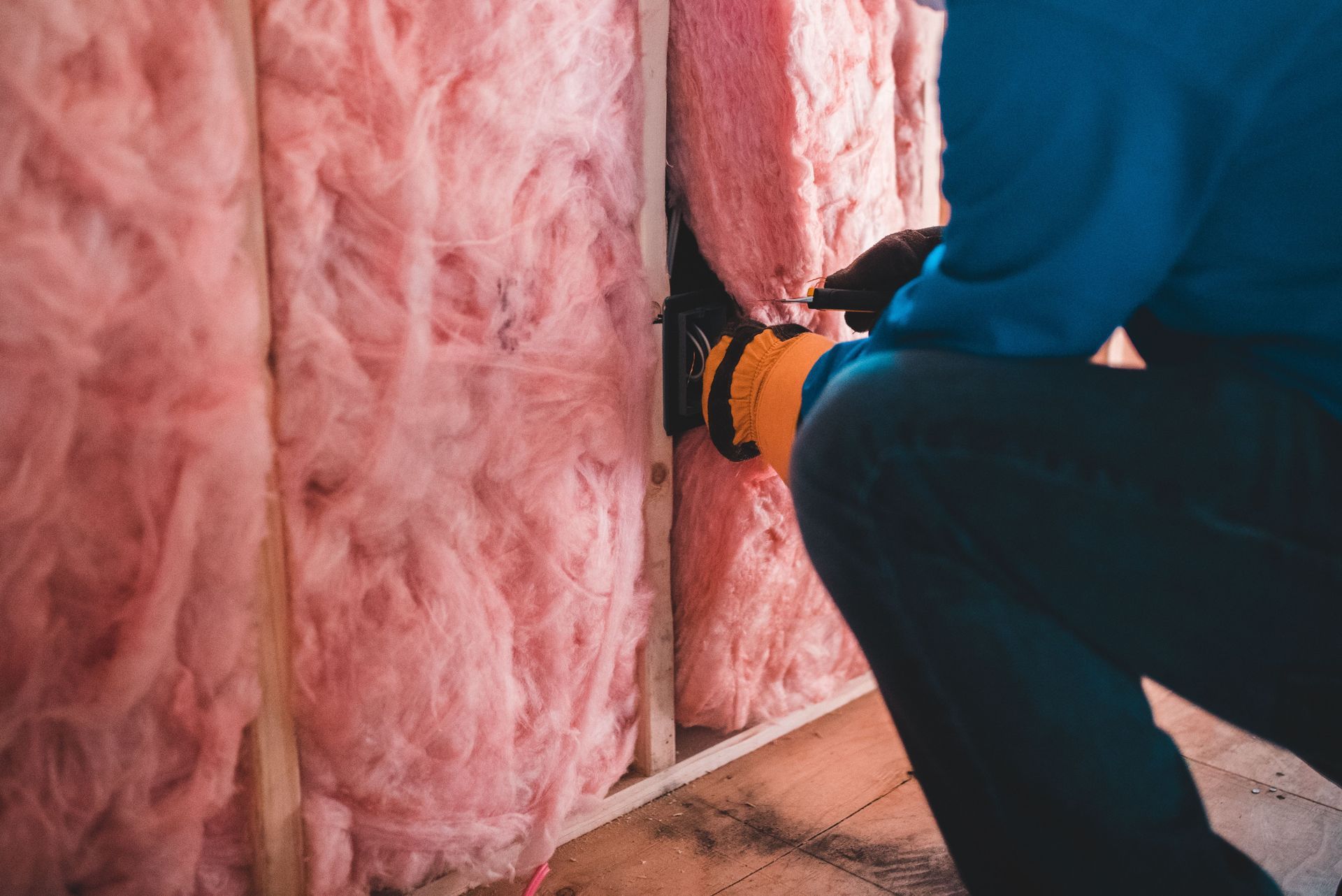
A thorough assessment of sagging insulation looks beyond the insulation itself. The evaluator inspects the vapor barrier for tears, pooling, or contact with standing water; examines the underside of floor sheathing for staining or soft spots that indicate prolonged moisture exposure; and checks whether existing vents, drainage channels, or sump systems are functioning. Each of these points tells a different part of the story about how water is moving through the space and which intervention will be most effective.
After drainage and encapsulation work is completed, the crawlspace environment stabilizes in ways that are measurable: humidity readings drop, wood surfaces that previously felt damp become dry to the touch, and reinstalled insulation holds its position because the moisture loading that caused the failure has been removed. Homeowners often notice a secondary effect above the floor—rooms that previously felt drafty or thermally inconsistent become more stable once the floor assembly is properly supported and dry.
It is worth noting that drainage and encapsulation services address the cause of insulation deterioration, not the replacement of the material itself. Insulation reinstallation is a separate scope, and Alabama Drainage Professionals recommends sequencing that work after moisture control is established so that new materials are installed into a stable environment rather than one that will repeat the damage pattern.
What Proper Crawlspace Moisture Assessment Requires
What Property Owners Ask About Crawlspace Insulation Work
Questions about sagging crawlspace insulation often touch on both what went wrong and what needs to happen in what order. The answers below focus on how the evaluation and moisture control process works, and what to look for at each stage.
- How do you determine whether moisture caused the insulation to sag or whether supports simply failed? An evaluator checks whether the insulation itself is wet or stained, whether the surrounding wood shows moisture marks at the same height, and whether humidity readings in the crawlspace are consistently elevated—these observations together indicate a moisture cause rather than a mechanical support failure alone.
- What happens to floor sheathing when insulation has been sagging and damp for an extended period? Prolonged contact between wet insulation and wood sheathing can cause surface staining, fungal growth on the wood grain, and in advanced cases, measurable softening of the sheathing that affects floor rigidity above.
- Why does new insulation fail in the same way if the crawlspace is not addressed first? New batts installed into a crawlspace with active moisture intrusion absorb water at the same rate as the original material; the support failure recurs on a similar or faster timeline because the insulation starts the cycle already compromised.
- What does a properly dried crawlspace feel like compared to one with ongoing moisture problems? A dry crawlspace has wood surfaces that feel firm and consistent, no standing water or saturated soil visible, and a relative humidity that does not consistently exceed the ambient outdoor level—in Greater Birmingham homes, that distinction is particularly relevant in crawlspaces where ground vapor was the primary moisture source.
- When should insulation replacement be scheduled relative to drainage and encapsulation work? Insulation replacement should follow moisture control work rather than precede it; installing new material before the source is addressed wastes the investment and delays identifying whether the crawlspace environment has actually stabilized.
Alabama Drainage Professionals can assess the current condition of your crawlspace and explain which drainage or encapsulation services need to come first. Connect with the team to arrange an on-site review of your crawlspace before committing to insulation replacement.