Channel Drain Installation in Homewood: Do You Need a Permit?
Channel drain installation in Homewood, AL, solves surface water problems across driveways, patios, and yard areas, but knowing permit requirements before you start protects your project from costly complications.
What Is a Channel Drain and Where Is It Installed?
A channel drain is a long, narrow surface drainage fixture installed at grade level to intercept water flowing across a paved or graded surface before it reaches a structure, a low area, or a public storm system.
You will typically see channel drains installed across driveways at the point where they meet the garage, across the bottom of a sloped patio, along the base of a retaining wall, or at the edge of a concrete walkway. The drain sits flush with the surface, and its grated opening captures water that flows across the area above it. That water travels through the drain body and exits through a connected pipe to an appropriate outlet.
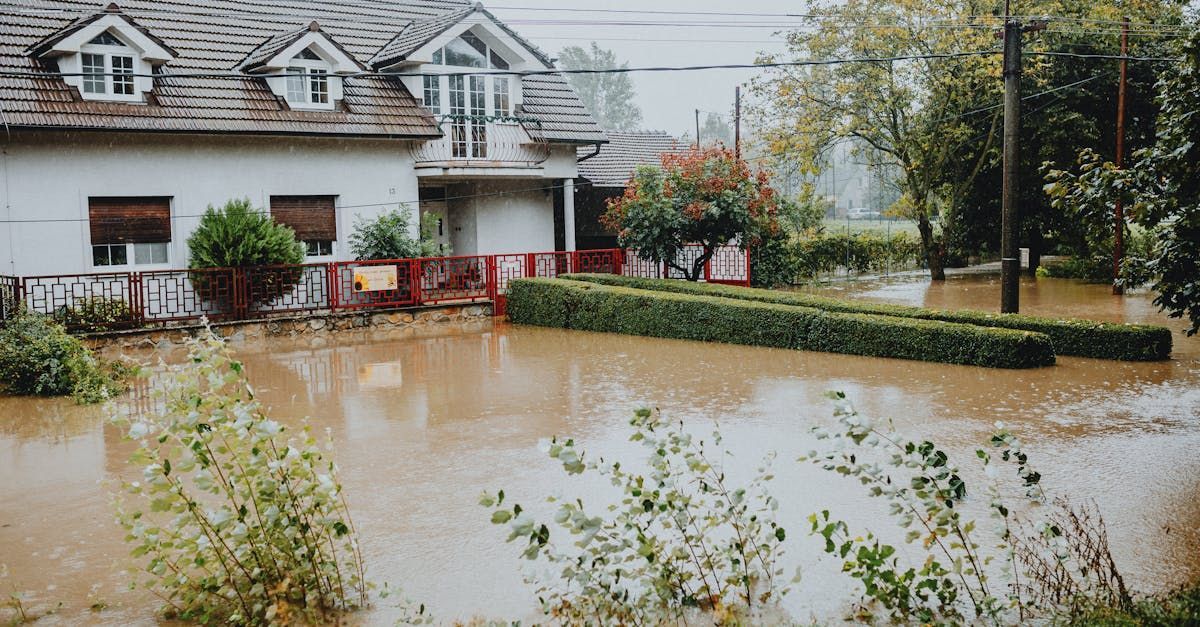
Channel drains are especially useful for properties where large paved surfaces concentrate runoff quickly. A concrete or paver driveway, for example, sheds every drop of rain rather than allowing any absorption. Without a channel drain at the low end, all of that water flows directly into the garage, through a fence, or across a neighboring property. Reviewing channel drain services in Homewood shows how these systems are designed and sized based on surface area and expected flow volume.
Are Permits Required for Channel Drain Installation in Homewood?
Permit requirements for drainage work in Homewood depend on the scope of the project, how it connects to existing storm infrastructure, and whether any grading or excavation is involved.
In the City of Homewood, residential drainage work that connects to a public storm drain system typically requires a permit through the city's building or engineering department. This is because any connection to the municipal storm system affects public infrastructure and must meet specific standards for pipe size, inlet design, and discharge rate. Work that drains entirely onto private property and does not connect to public systems may have different or fewer requirements, but this varies by location and project type.
Projects involving significant grading changes, retaining walls over a certain height, or excavation near public rights of way almost always require permits and inspections. Working with a drainage contractor who understands local permit requirements helps ensure your project is documented correctly, inspected as required, and protected in the event of future property sales or insurance claims.
Which Surface Problems Does a Channel Drain Fix Best?
Channel drains work best for sheet flow problems, which is water that moves across the surface in a broad, shallow flow rather than concentrating in a single low spot.
A sloped driveway that sends water into the garage every time it rains is the classic channel drain application. Installing a channel drain at the base of the slope, just before the garage door threshold, intercepts the entire surface flow before it can enter the structure. The same principle applies to patios that slope toward a house or to any concrete area where water has no path to exit without causing a problem.
For heavily used areas where the drain will be driven over or walked across frequently, selecting the right grate type is important. Grates are available in different load ratings and materials to match the specific use of the area. A driveway channel drain needs a heavy-duty grate capable of handling vehicle weight, while a patio drain can use a lighter decorative option.
What Homewood Permit Considerations Apply to Drainage Near Streets?
Properties in Homewood that drain toward the street curb line or need to tie into a street-side catch basin are subject to requirements from both the city and potentially from Jefferson County, depending on the road classification and ownership of the infrastructure involved.
Connecting to a street-side inlet without proper approval can result in installation being required to be removed at the homeowner's expense. City engineers review proposed connections to ensure that added discharge will not overload existing storm infrastructure or create issues for neighboring properties downstream.
Understanding these requirements upfront is part of the planning process that Alabama Drainage Professionals handles on behalf of homeowners. Drainage system planning services in Homewood include site evaluation and guidance on what permits may apply before any work begins. Call (205) 492-4035 to explore the right channel drain solution for your property and start the planning process on the right foot.