
Yards That Stay Wet Need Drainage Solutions
Standing water drainage in Greater Birmingham for puddles that persist, saturated lawn sections, and water collecting near foundations
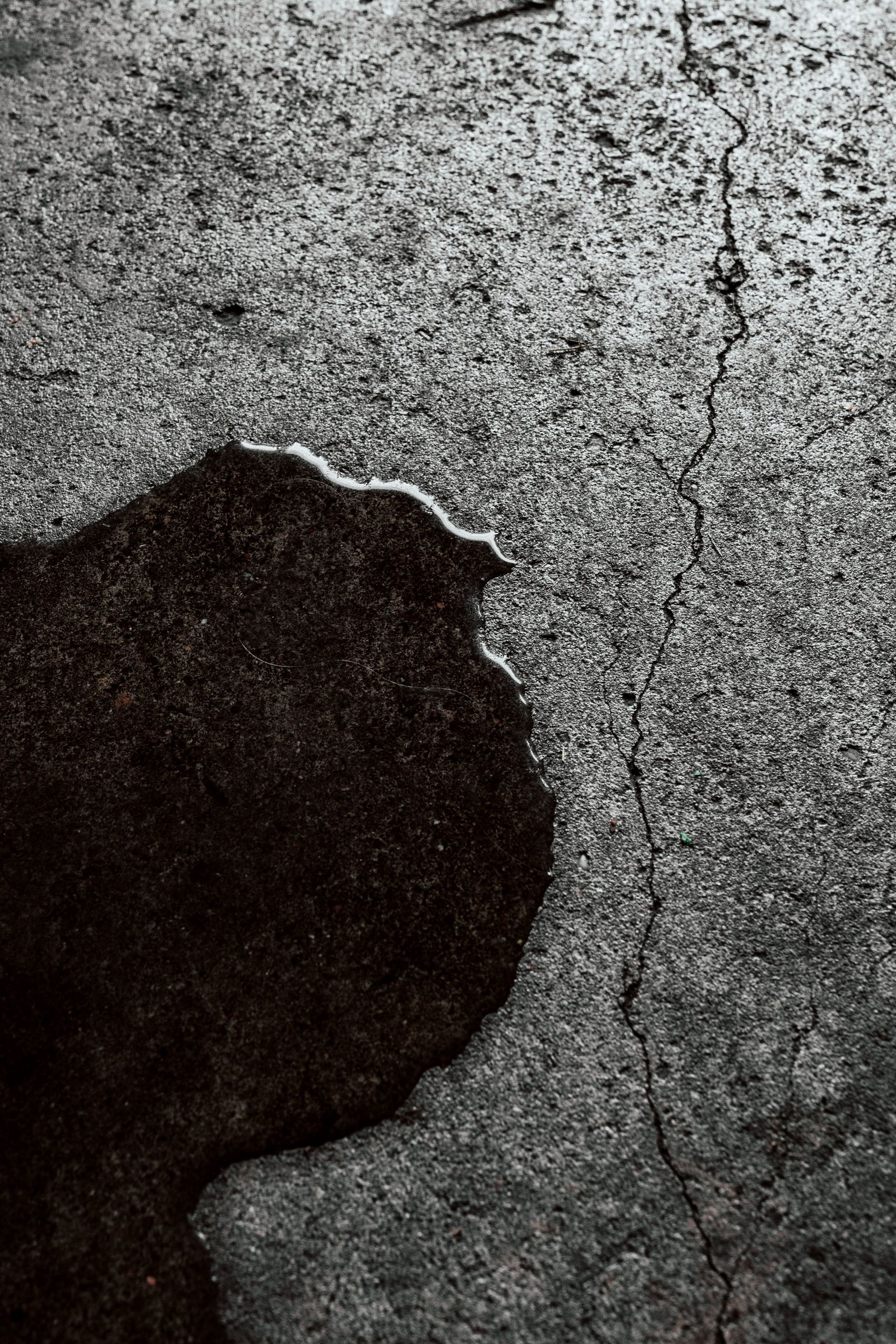
Water that remains on a lawn or around a building long after rain has stopped is a drainage problem, not simply a property quirk. Saturated turf, puddles that outlast the weather event by days, and muddy patches that never seem to dry out all indicate that the property is collecting water faster than it can move it away. Alabama Drainage Professionals installs drainage systems in Greater Birmingham that intercept and redirect that water before it pools, erodes, or reaches the foundation. The solution that applies depends specifically on where the water originates, how it travels across the property, and where it needs to go—factors that vary significantly from one yard to the next.
Properties that collect standing water typically have one or more contributing conditions: low spots in the landscape where water naturally concentrates, compacted ground that reduces the rate at which water moves downward, or grading patterns that direct runoff toward the building rather than away from it. In Greater Birmingham's rolling residential terrain, lots carved into hillsides or developed at the base of a slope commonly receive sheet flow from neighboring properties—a condition that no amount of lawn care addresses, because the volume of incoming water exceeds what the surface can absorb or redirect on its own.
Request a drainage assessment to identify where water is originating on your property and which system is suited to intercepting it..
The Difference Between French Drains, Channel Drains, and Other Systems
French drains and channel drains are frequently referenced together, but they address different water movement problems. A French drain is a subsurface trench filled with gravel and perforated pipe that intercepts groundwater or sheet flow moving through the soil, pulling it downward and routing it away through the pipe. A channel drain sits at grade level and captures surface water moving across hardscape—driveways, patios, and walkways—before it reaches a low point or a building. Selecting the wrong system for the site condition produces a drain that handles some water but misses the primary source, leaving the pooling problem partially addressed.
After a properly specified and installed drainage system is in place, the changes are observable within one or two rain events: puddles that previously persisted for days resolve within hours, turf areas that were consistently saturated recover the firmness needed for normal use, and the soil near the foundation no longer stays wet between rain events. Alabama Drainage Professionals sizes and routes drainage systems based on the volume of water the property receives and the elevation change available to move water to a discharge point.
For larger or commercial properties where surface water volumes are higher and drainage infrastructure needs to handle concentrated flow from multiple directions, commercial drainage system installation involves larger-diameter pipe, multiple inlet points, and outlet structures rated for the expected flow—a meaningfully different scope than a residential French drain installation serving a single low area in a backyard..
Questions Before Starting Your Drainage Project
Drainage projects vary considerably in scope depending on the source of the water and the layout of the property. The following questions address how the work is approached and what the installation process involves.
How is the correct drainage system determined for a specific property?
An evaluator observes where water enters the property, how it moves across the surface, where it collects, and what grade is available to carry it to a discharge point—those four factors together determine whether a French drain, channel drain, or combination approach fits the site.
What does French drain installation actually involve on site?
Installation requires opening a trench along the drainage path, laying perforated pipe in a gravel bed at the correct slope, backfilling with drainage aggregate, and covering the surface—the pipe slope is critical because insufficient grade causes water to sit in the pipe rather than move through it.
Why does compacted soil make standing water worse even when the ground appears level?
Compacted soil reduces the infiltration rate to near zero, so even moderate rainfall runs along the surface rather than soaking in, concentrating in low areas at a rate determined by surface grade rather than soil absorption.
How do you know when a drainage installation has resolved the standing water problem?
The indicator is observation over two or three rain events of typical intensity: puddles in the previously affected areas should resolve within a few hours rather than persisting for days, and the turf should recover enough to be firm underfoot within a day of the rain stopping.
What should a homeowner do to prepare a yard for drainage installation?
Clear the work path of portable items, identify and mark any buried irrigation lines or utility runs, and note which areas stay wet longest—that last detail helps the installer prioritize where inlets or trench lines will have the most effect in Greater Birmingham properties where multiple low areas may compete for the same fix.
Alabama Drainage Professionals can walk your property, identify the drainage conditions affecting it, and specify a system matched to what the site actually requires. Arrange a property assessment to get a clear account of where the water is going and what it will take to redirect it.