French Drain Installation in Vestavia Hills: Does Your Yard Need One?

French Drain Installation in Vestavia Hills: Does Your Yard Need One?

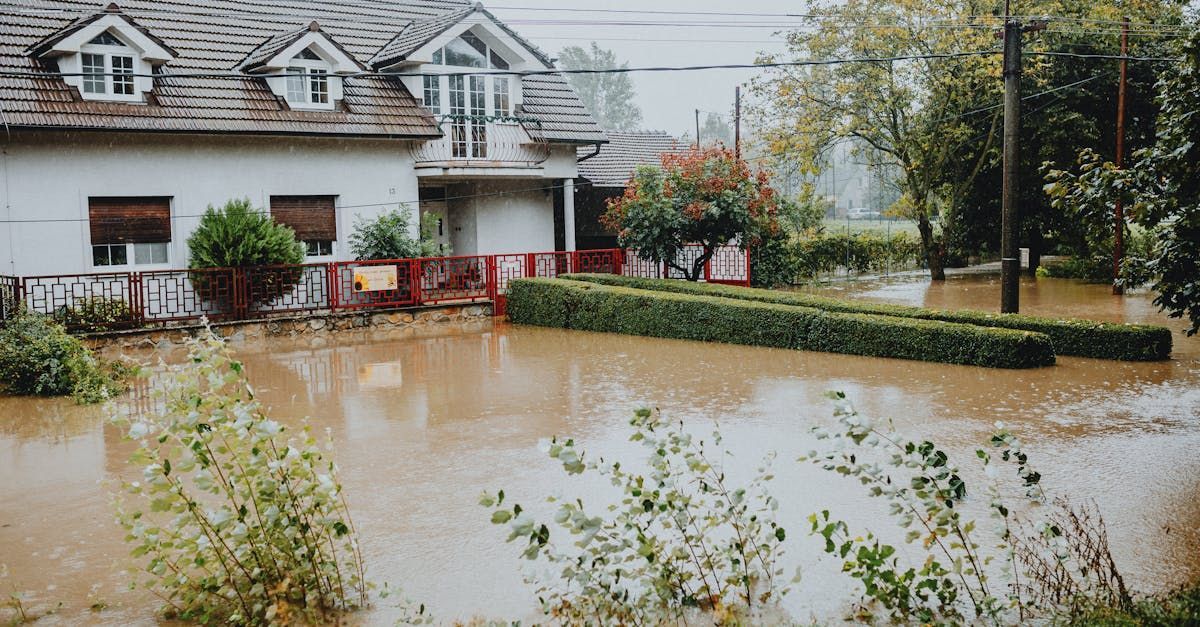
French drain installation in Vestavia Hills, AL, is one of the most effective solutions for homeowners dealing with persistent yard flooding, soggy lawns, or water near their foundation.

What Is a French Drain and How Does It Work?

A French drain is an underground drainage channel made up of a perforated pipe wrapped in filter fabric and surrounded by gravel, designed to collect and redirect water away from your property.

Water moves into the drain through the perforations in the pipe and travels along the length of the system toward a designated outlet, such as a storm drain, a dry creek bed, or a lower area of your property where pooling will not cause harm. The gravel surrounding the pipe allows water to flow freely without clogging, while the filter fabric keeps soil from entering and blocking the pipe over time.

This type of system works both for surface water that pools across your lawn and for subsurface water that builds up in the soil below the surface. When groundwater levels rise during heavy rain, a French drain intercepts that moisture before it saturates the ground near your foundation or pushes up through a crawlspace floor. You can see how the full process works by reviewing French drain installation services in Vestavia Hills and what goes into a properly designed system.

Do Hilly Lots in Vestavia Hills Need Different Drainage Solutions?

Yes, sloped and hilly lots require drainage designs that account for the direction and speed of runoff, which behaves differently from flat-yard drainage situations.

Vestavia Hills sits within the foothills of the Appalachian ridge system, and the terrain reflects that geography. Many properties have significant grade changes, either within the lot itself or between neighboring properties. Water on a slope accelerates as it moves downhill, picking up volume from neighboring lots and arriving at lower areas with more force and quantity than simple rainfall calculations might suggest.

French drains on sloped properties are often installed as interceptor drains at specific points on the slope where runoff is collected before it reaches the home or a low area. Rather than letting water travel all the way down the lot and pool at the base, an interceptor drain captures the flow midway and redirects it to a safe outlet. This is especially important on lots where soil erosion is occurring on the slope itself, as moving water continuously strips away topsoil and creates channels that worsen over time.

On properties with multiple slope directions or drainage coming from more than one side, a system that combines French drains with surface channel drains and proper grading corrections provides the most complete protection.

How Do You Know If Your Property Qualifies for a French Drain?

A French drain is a good fit when water is pooling in specific areas, when soggy soil remains for days after rain, or when water is clearly moving toward your home from an uphill source.

Properties where the soil is heavily clay-based benefit especially from French drains because clay does not drain quickly on its own. Clay holds water near the surface long after rain stops, creating conditions for root rot in landscaping, damage to lawn areas, and prolonged moisture contact with your foundation.

If you are seeing surface erosion, muddy trails across the lawn after rain, or water staining on your foundation, these are indicators that a drainage solution is needed. The specific type of solution depends on a site assessment, but French drain installation addresses the majority of subsurface and slow-draining surface water issues effectively.

What Terrain Features in Vestavia Hills Most Affect Drainage Design?

The rolling terrain and variable lot elevations in Vestavia Hills mean that drainage design must account for how water flows across multiple properties before reaching a final outlet.

Many homes in the area back up to wooded hillsides or sit below neighboring lots that are at higher elevation. Water moving off those higher lots arrives on lower properties in addition to whatever rain falls directly. A French drain installed at the rear property line in these situations functions as a boundary interceptor, capturing incoming flow before it crosses onto the managed portion of your yard.

Rock outcroppings and hard subsoil are also common in the foothills, which limits how deep drainage pipes can be installed in some areas. This requires experienced drainage contractors who understand how to work with the local geology, select the right pipe depth and gravel configuration, and route water effectively even where soil conditions are not ideal.

Alabama Drainage Professionals designs French drain systems specifically for the terrain and soil conditions found in Vestavia Hills and the surrounding areas. A thorough drain inspection in Vestavia Hills is often the right starting point to confirm whether a French drain is the appropriate solution for your property before work begins. Call (205) 492-4035 to connect with our team and get your yard draining the way it should.

By Alabama Drainage Professionals May 18, 2026
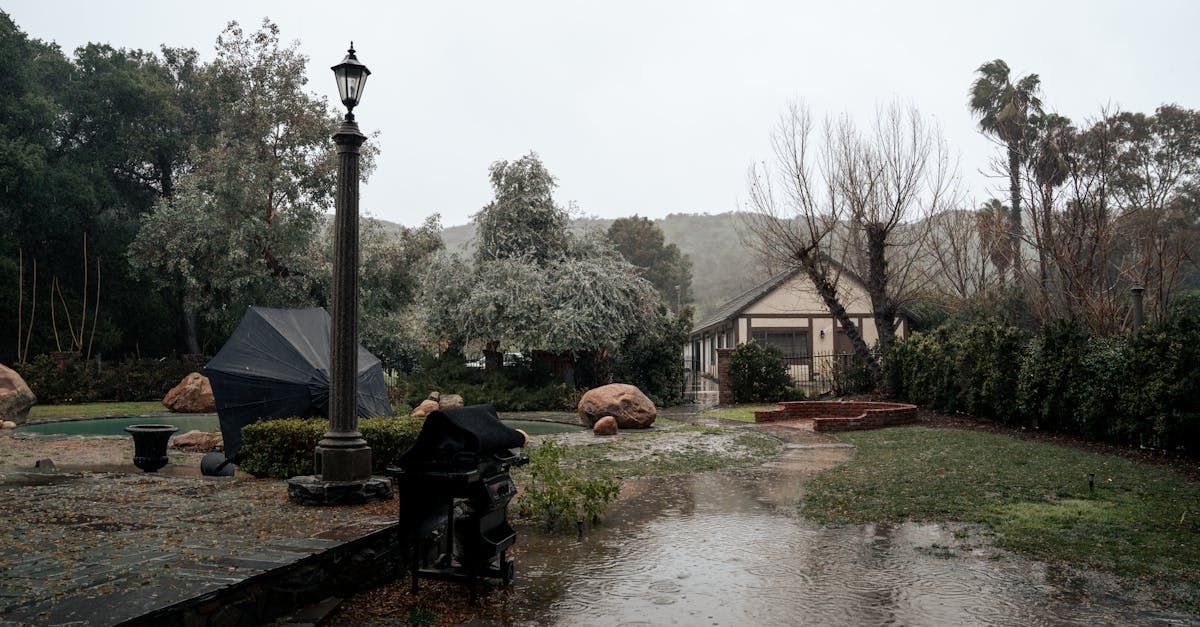
Find out what to do during an emergency yard flood in Birmingham, AL, including immediate steps and long-term drainage repair solutions to protect your property.
By Alabama Drainage Professionals May 18, 2026
Discover the 5 most common drainage issues in Mountain Brook, AL, and learn practical fixes to protect your home from water damage and yard flooding.