
Standing Water Draws Insects Before You Notice
Drainage solutions for mosquito-attracting water accumulation in Greater Birmingham for yards with persistent puddles and damp landscaping
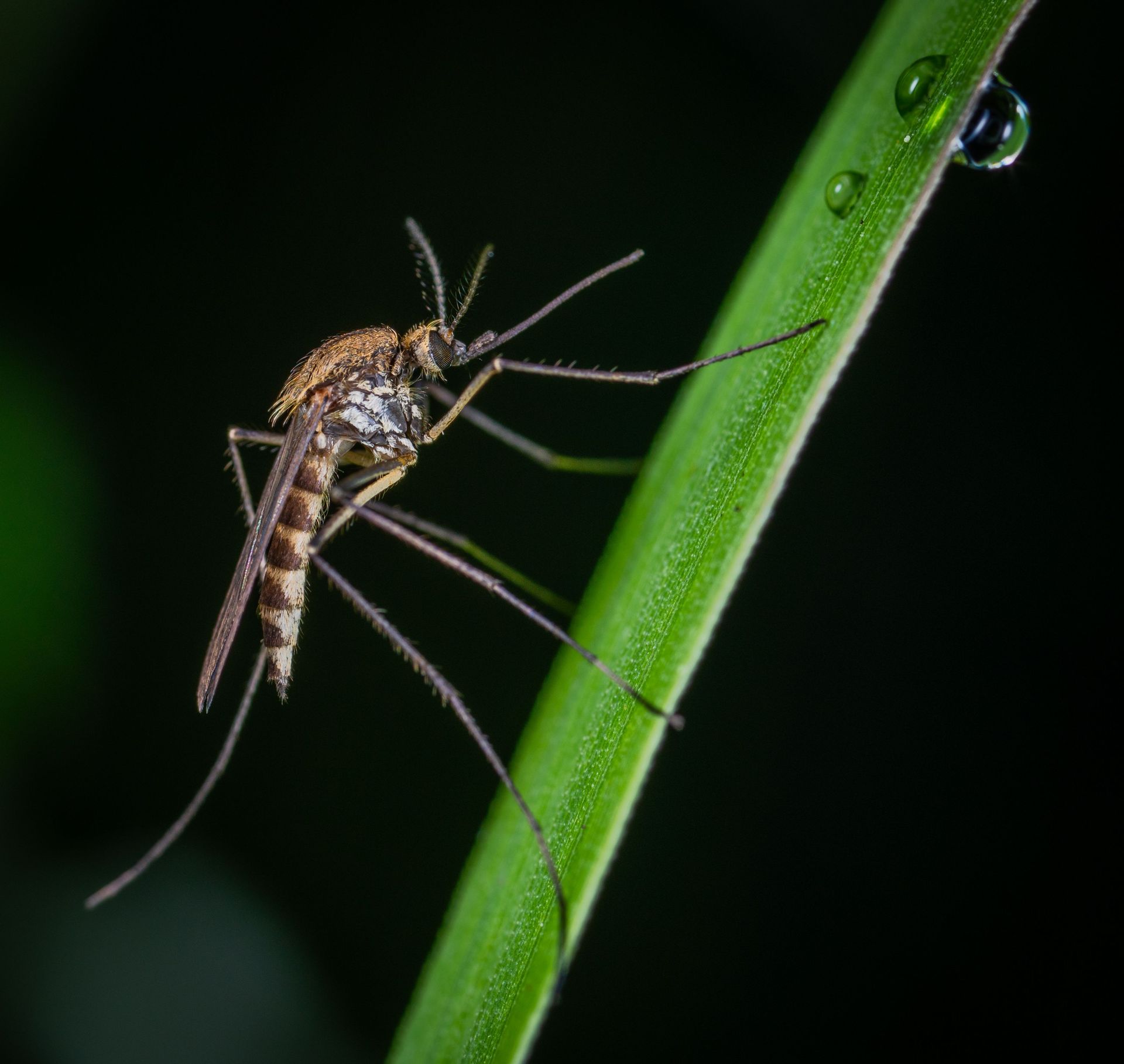
Mosquitoes require standing water to complete their breeding cycle—still, shallow water is where eggs are laid and larvae develop through to the adult stage, typically within a week of standing conditions. Properties in Greater Birmingham with drainage problems that leave water pooled in low spots, against foundations, or in persistently damp landscaping provide exactly those conditions repeatedly throughout the warmer months. Alabama Drainage Professionals installs drainage systems that address the standing water itself, removing or redirecting it before it can function as a breeding site. That is a meaningful and specific contribution to reducing mosquito pressure on a property, though it is not a substitute for comprehensive pest management when insects are already established.
The connection between drainage and insect activity is a practical one: drainage problems that allow water to pool in shallow depressions—particularly in areas shaded by shrubs or structures where water evaporates slowly—create habitats that persist through multiple breeding cycles. In Greater Birmingham neighborhoods where lots have irregular grading from decades of landscaping changes or where concrete patios have settled slightly inward, shallow pooling in unexpected locations is common and often overlooked as an insect contributor because the water is not visually dramatic, just persistent.
Set up a drainage evaluation to identify where water is accumulating on your property and what system would interrupt those collection points..
What Drainage Improvements Actually Prevent
French drain installation and channel drain installation each address water accumulation at different points in its path across a property. A French drain intercepts water moving through the soil or across grade before it reaches a low area and pools; a channel drain captures surface water already moving across hardscape and routes it away before it sits. The choice between them depends on where the water is coming from, not on how many mosquitoes are present. Installing the right system removes or dramatically reduces the standing water that would otherwise remain available as a breeding site.
After drainage work is completed, properties that previously had consistent pooling in the yard or near patios show a measurable change: the areas that held water for days after rain now drain within hours, and the persistently damp patches of soil that supported mosquito habitat become dry enough between events to interrupt the breeding cycle. Alabama Drainage Professionals routes drainage systems to a discharge point away from the structure, so water that previously sat against a foundation or in a low lawn section is actively moved rather than absorbed or evaporated over time.
It is important to be direct about scope: drainage improvements target the water that supports mosquito breeding—they do not treat adult populations, address insects that breed elsewhere on or near the property, or eliminate other pest conditions unrelated to standing water. Properties with significant mosquito problems typically benefit from both drainage work and professional pest management, applied in sequence so that the habitat is reduced before or alongside treatment..
Common Questions About Drainage and Yard Pest Conditions
Homeowners dealing with mosquitoes and persistently damp yards often have questions about how drainage work fits into the broader solution. The following covers what drainage installation involves and how it relates to the insect conditions on a property.
How does a drainage evaluation identify which standing water areas are contributing to mosquito breeding conditions?
An evaluator walks the property after rain or simulates flow to identify where water collects, how long it holds, and whether the accumulation is in a location shallow and still enough to function as a breeding site—shaded depressions with less than six inches of water and no movement are the highest-priority targets.
What is the installation process for a French drain in a residential yard?
A trench is opened along the path where water is traveling or pooling, graded at a consistent slope toward the discharge point, lined with filter fabric to prevent soil infiltration, filled with clean stone, and fitted with perforated pipe before the trench is backfilled—the fabric and slope together determine whether the system continues to function over years or silts up and loses capacity.
Why does water pool in the same spots repeatedly even in yards that appear flat?
Water follows micro-grade depressions invisible to casual observation; compacted soil from foot traffic, mower paths, or landscape installation creates consistent low points that collect water from a wide surrounding area even when the visible grade seems level.
How do you determine whether a channel drain or a French drain is the right choice for a patio that collects water?
Channel drains are appropriate when water moves across a hard surface—concrete or pavers—and collects at a seam or edge; French drains address water moving through or across soil, so a patio that holds water due to a surrounding grade problem typically needs a French drain at the perimeter rather than a channel in the surface.
What should remain visible after a French drain is properly installed in a Greater Birmingham yard?
A clean surface grade with no sunken sections, the discharge outlet positioned away from the foundation at a point where water will not re-collect, and no pooling in the treated area during a rain event of moderate intensity—those three observations indicate the system is functioning as intended.
Alabama Drainage Professionals can assess your yard's drainage patterns and identify which installation approach will most effectively reduce the standing water on your property. Contact Alabama Drainage Professionals to arrange a property walkthrough and get a clear picture of where water is collecting and what it will take to move it.