
Slopes That Fail From Within, Not Just Above
Hillside Collapse in Greater Birmingham for residential and commercial slopes showing erosion, slumping, or surface failure along embankments and graded cuts
Visible slope movement—slumping soil, eroding embankments, or sections of hillside that have detached and shifted—points to a failure in how water is moving through the slope rather than just across its surface. Alabama Drainage Professionals works with Greater Birmingham property owners to evaluate the drainage conditions driving hillside instability and to install corrections that interrupt subsurface saturation before it causes further movement. Many residential hillside lots throughout the region were graded during construction periods when subsurface drainage was not a code requirement, leaving cut slopes that manage surface runoff but have no mechanism for relieving water pressure that builds inside the embankment after sustained rain events.
Hillside stability depends on managing both surface flow and subsurface water pressure simultaneously. Surface water that infiltrates a slope rather than shedding off it adds weight to the soil mass and reduces the friction that holds the slope in place. The correction process begins with identifying where water is entering the slope, whether it's from surface infiltration, a broken or inadequate upslope drainage system, or groundwater moving through permeable layers below the graded surface. Alabama Drainage Professionals uses that assessment to determine whether the slope needs surface armoring, subsurface drainage installation, or both.
Arrange an on-site slope evaluation to assess the current failure pattern and what drainage correction it requires.
Why Slope Failure Happens and How to Stop It
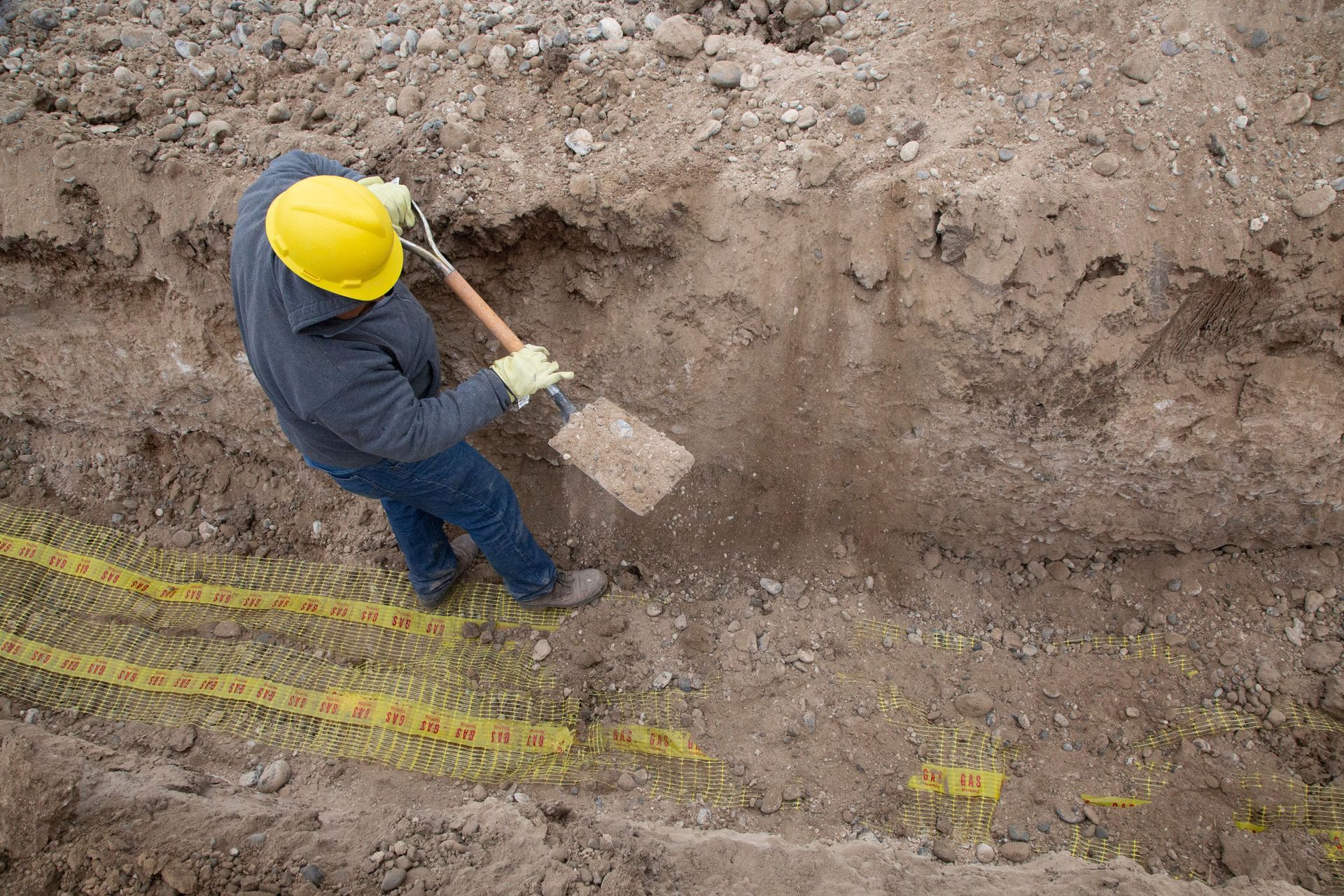
Subsurface drainage for a failing hillside typically involves installing perforated pipe systems within the slope body to intercept water moving through permeable soil layers before it reaches the saturation point that triggers movement. The pipe placement depth and orientation depend on where permeable and impermeable layers meet inside the embankment—a determination that requires physical probing or observation of how existing failure surfaces align with the grade. Surface channel work above the slope crest is usually part of the same scope, since upslope runoff that spills over the crest and infiltrates adds to the subsurface water load the drainage system must handle.
Once subsurface drainage is functioning, the observable change is that the slope stops moving. Cracks that were widening at the slope crest stabilize, soil slumps that were advancing stop progressing, and the surface firms up enough to support revegetation. In Hoover and other hillside neighborhoods developed across Greater Birmingham's ridges during the mid-twentieth century, slopes that were graded without subsurface drainage show predictable failure patterns at the interface between native clay and imported fill—Alabama Drainage Professionals accounts for that layer transition when designing the drainage approach.
Revegetating a stabilized slope is a separate but related step that shouldn't begin until drainage corrections are in place and the slope has demonstrated stability through at least one significant rain event. Ground cover or erosion control matting applied to a slope that still has unresolved subsurface drainage issues will not prevent continued movement, and in some cases root systems from premature planting can obscure ongoing displacement that should be monitored.
What Property Owners Ask About the Work
Hillside drainage problems raise specific questions about how the work is sequenced and what indicators show that stabilization is progressing. The answers below explain what the evaluation and correction process actually involves for slopes showing active or prior failure signs.
How does the evaluation determine whether a slope is at risk of further movement?
The evaluation examines the failure surface geometry, the depth and orientation of any cracks at the crest, and the moisture condition of the soil mass—together these indicate whether the slope is actively moving, recently stabilized, or at a threshold where additional saturation would trigger further displacement.
What drainage method is used inside a failing hillside?
Perforated drainage pipe is installed within the slope body at the depth where saturation is occurring, routed to a stable outfall at the base of the slope—this relieves the pore water pressure that reduces friction between soil particles and allows gravity to pull the slope downward.
Why does the slope crest need drainage even when the failure is lower on the hillside?
Water that ponds or infiltrates at the crest adds load to the top of the slope and feeds the saturation zone inside the embankment, so intercepting upslope flow before it reaches the crest is part of controlling the internal water pressure driving movement below.
When is revegetation appropriate after drainage corrections are completed?
Revegetation is most effective after the slope has firmed and any active cracking or slumping has stopped—planting into a slope that is still responding to drainage corrections may mask ongoing movement that should be visible for monitoring purposes.
How does the construction era of a Greater Birmingham hillside lot affect the drainage approach?
Lots graded before subsurface drainage requirements were standard typically have no internal relief mechanism, meaning the entire drainage load must be managed by new pipe systems installed into the slope body rather than connecting to or upgrading an existing network.
Alabama Drainage Professionals evaluates slope conditions across Greater Birmingham and can identify what drainage work a specific hillside requires before any correction begins. Connect with Alabama Drainage Professionals to schedule a hillside drainage assessment.